
Introduction
Device configuration is a critical process that determines how effectively digital devices perform, communicate, and operate within personal or professional environments. Whether configuring a computer, smartphone, printer, router, or enterprise hardware system, proper setup ensures optimal functionality, security, and user experience.
In today’s interconnected digital ecosystem, devices rarely operate in isolation. They connect to networks, cloud platforms, applications, and other hardware systems. Without proper configuration, devices may suffer from performance issues, connectivity failures, security vulnerabilities, and compatibility conflicts.
Device configuration guides help users customize settings, enable features, manage permissions, and optimize performance according to specific needs. From beginners setting up home devices to IT professionals managing enterprise infrastructure, configuration knowledge is essential.
This comprehensive guide explores device configuration fundamentals, setup processes, connectivity settings, security configurations, performance optimization, troubleshooting methods, and future trends.
Understanding Device Configuration
Device configuration refers to the process of adjusting hardware and software settings to ensure devices operate correctly within their intended environment.
It includes system preferences, network connectivity, user accounts, security permissions, software integrations, and performance tuning.
Proper configuration ensures seamless functionality, secure operations, and enhanced usability.
Importance of Device Configuration
Correct configuration ensures optimal device performance.
It enables connectivity with networks and peripherals.
Security settings protect data and privacy.
Customization improves user experience.
Organizations rely on standardized configuration for operational efficiency.
Types of Device Configuration
Device configuration varies by device category and usage purpose.
Personal device configuration includes laptops, smartphones, and tablets.
Peripheral configuration includes printers, scanners, webcams, and external drives.
Network device configuration includes routers, switches, and access points.
Enterprise configuration includes servers, storage systems, and biometric devices.
Each type requires specialized setup procedures.
Pre Configuration Preparation
Preparation ensures smooth configuration processes.
Verify device compatibility with operating systems.
Ensure stable power supply.
Update firmware and operating systems.
Prepare necessary login credentials and network details.
Backup data before major configuration changes.
Preparation reduces setup risks.
Initial Device Setup Configuration
New devices require initial setup.
Select language and regional settings.
Create user accounts and passwords.
Connect to internet networks.
Install operating system updates.
Configure privacy preferences.
Initial configuration establishes device usability.
Network & Connectivity Configuration
Connectivity is essential for modern devices.
Configure Wi Fi networks and passwords.
Set up Ethernet connections where required.
Enable Bluetooth pairing for wireless peripherals.
Configure VPN connections for secure remote access.
Network configuration ensures communication and internet functionality.
Software & Application Configuration
Installed applications require customization.
Configure user preferences, themes, and notifications.
Enable integrations with cloud storage or collaboration tools.
Set default applications for file handling.
Software configuration enhances productivity.
Security Configuration
Security setup protects devices and data.
Enable firewalls and antivirus software.
Configure biometric authentication.
Set strong passwords and screen locks.
Enable two factor authentication where available.
Security configuration prevents unauthorized access.
Device Driver Configuration
Drivers allow hardware components to communicate with operating systems.
Install manufacturer drivers for printers, graphics cards, and peripherals.
Update drivers regularly for performance improvements.
Driver configuration ensures hardware compatibility.
Peripheral Device Configuration
External devices require setup for full functionality.
Install printers and scanners.
Configure webcams and microphones.
Set up external storage devices.
Peripheral configuration supports workplace productivity.
Display & Audio Configuration
Adjust screen resolution and refresh rates.
Configure multi monitor setups.
Set default audio input and output devices.
Display and audio configuration enhance user experience.
Power & Performance Configuration
Adjust power settings for performance or energy efficiency.
Configure sleep modes and battery optimization.
Optimize startup programs.
Performance configuration improves system responsiveness.
Cloud & Data Sync Configuration
Enable cloud storage syncing.
Configure automatic backups.
Link devices to cloud accounts.
Data synchronization ensures accessibility and recovery.
Mobile Device Configuration
Smartphone configuration includes SIM setup, app installations, biometric security, and notification preferences.
Mobile configuration ensures communication readiness.
Enterprise Device Configuration
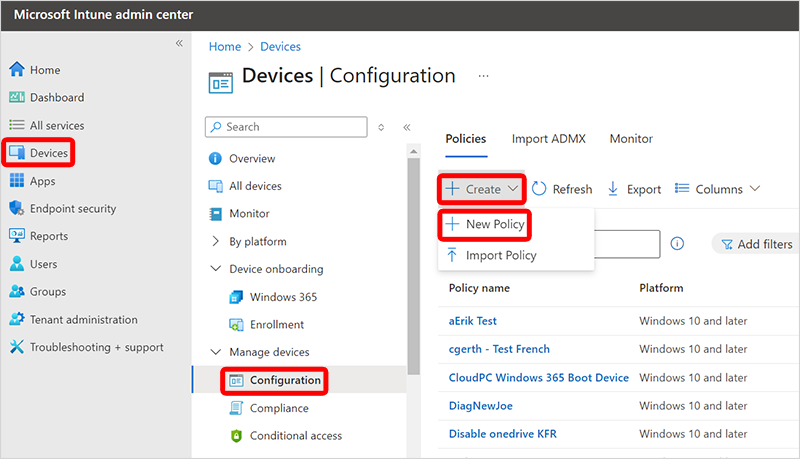
Organizations configure devices using centralized IT policies.
Set user permissions and access controls.
Deploy enterprise software.
Enable remote monitoring and cybersecurity tools.
Enterprise configuration ensures compliance and security.
Firmware & BIOS Configuration
Firmware and BIOS settings control hardware operations.
Update firmware for performance improvements.
Configure boot sequences and hardware recognition.
Proper firmware setup ensures stable functionality.
Remote Access Configuration
Remote access allows device control from different locations.
Configure remote desktop tools.
Enable secure login credentials.
Use VPN for encrypted connectivity.
Remote configuration supports hybrid work environments.
Device Configuration Troubleshooting
Configuration errors may cause connectivity failures or performance issues.
Troubleshooting includes resetting settings, reinstalling drivers, updating firmware, and checking compatibility.
Systematic diagnosis resolves configuration conflicts.
Backup & Restore Configuration
Backup setup protects device data.
Enable system restore points.
Configure cloud or external backups.
Restore options recover systems during failures.
Documentation of Configuration Settings
Document network credentials, software licenses, and configuration preferences.
Documentation supports troubleshooting and device replacement.
Best Practices for Device Configuration
Follow manufacturer setup instructions.
Keep firmware and drivers updated.
Enable security protections.
Backup data regularly.
Avoid unauthorized configuration changes.
Best practices ensure long term reliability.
Learning Device Configuration as a Skill
Device configuration expertise is valuable in IT support, system administration, and technical consulting careers.
Hands on practice enhances technical proficiency.
Certifications validate configuration knowledge.
Future Trends in Device Configuration
AI assisted configuration tools are emerging.
Zero touch deployment simplifies enterprise setups.
Cloud managed devices enable remote configuration.
Automation will streamline setup processes.
Future device ecosystems will emphasize security and scalability.
Conclusion
Device configuration is a foundational step in ensuring optimal performance, secure operations, and seamless connectivity across digital environments. From personal devices and peripherals to enterprise infrastructure, proper configuration enables technology to function efficiently.
By understanding connectivity settings, security protocols, software integrations, and performance optimization, users can maximize device capabilities. As digital ecosystems grow more interconnected, configuration knowledge will remain an essential technical skill.
Whether you are setting up home devices or managing corporate systems, mastering device configuration empowers you to operate technology confidently, securely, and productively in the modern digital world.